
By: Maheshwari S Kumar


It was a fine morning at Shirdi in 1914. Kaka Dixit was doing his ‘Parayan’ of ‘Panchadasi. At one point Upasani Maharaj intervened and was giving precepts. The topic was how to keep the balance of mind in pleasant and unpleasant situations. Dada Kelkar asked: ‘Heat is heat and cool is cool. How can I avoid feeling joy in my success in life and not feel the pain of losing a dear family member during an epidemic of Plague?’
Upasani Maharaj replied: ‘Yes, the experiences of happiness and unhappiness would be different in both cases. But what also comes along is attachment to happy situations and an aversion to unhappy ones. While going through any kind of situation, one must consciously avoid these two things. Eventually, the incident will pass, but the attachment or aversion to it might linger on. And this creates sadness. We only have to watch out for this.’
Panchadasi explains five reasons why we should neither hang on to pleasant situations nor avoid unpleasant ones.
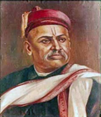
Nana Saheb Chandorkar said life is never fully under anyone’s control. It keeps throwing surprises at everyone. Despite our aversion to them, extreme heat and extreme cold are part of nature’s cycle, as are day and night, light and darkness. Why not accept the cycle of pleasant and unpleasant events as inevitable and move on?

Kaka Dixit felt we must understand the non-permanent nature of each experience. We have a lot of happy and sad experiences in our life. It is difficult to expect a series of only pleasant ones. As the saying goes, ‘no king laughs always and no beggar wails always.’ Both have their share of happy and unhappy feelings. All experiences are temporary. One has to think ‘this too will pass’.
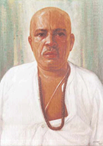
Dasganu Maharaj intervened, if we can see the other side of the experience, with a discriminating mind, we will not be too elated or depressed in moments of happiness and unhappiness. While going through a happy situation, we often do not notice the negative things that are taking place simultaneously in our life. For example, acquiring a lot of wealth, and position could also make us arrogant. We may spoil our habits with the availability of excessive wealth.
As opposed to that, when we are passing through a difficult phase, we often become sensitive towards others, remember God, and become prayerful. We struggle to come out of the tough phase and as a result become stronger. If we see our life in retrospect, we will notice that many events which appeared to be difficult at that time became a turning point in our life for greater progress.

Anna Saheb Dabholkar felt that comforts in life often lead to dependence. If there is habitual dependence on comfort, there is always a fear of losing it. And suppose it ends, you would be more miserable because of your strong attachment to it. So also, if you fear or apprehend an unfavorable event, it makes you unhappy right away, even though it has yet to take place.

Ultimately Booty summed up, most major situations related to wealth and longevity are also part of destiny. They come because of our past karmas. Wisdom lies in accepting them as such, with equanimity.
By then Sainath Maharaj along with Shama, who had gone to Lendi Bagh entered Sathe Wada and greeted everybody saying – “So you have ironed out ‘Pancha Sutras’ to combat calamities.”
Then everybody dispersed for noon arathi.
Leave a Reply